



OXFORD, Miss. — Investigators are awaiting toxicology results as they work to determine how two University of Mississippi students died in separate incidents Monday, leaving the Ole Miss community grieving while authorities caution against concluding based on evidence found during the investigations.
Lafayette County Coroner Glenn Coleman said the students were males ages 18 and 20. The 18-year-old died at Stewart Hall, a residence hall on the university’s Oxford campus, while the 20-year-old died at a house off campus. Their names had not been publicly released as of Wednesday evening out of respect for their families.
The deaths occurred Sept. 21 and are being investigated separately. Authorities have said there is no confirmed evidence that the cases are connected.
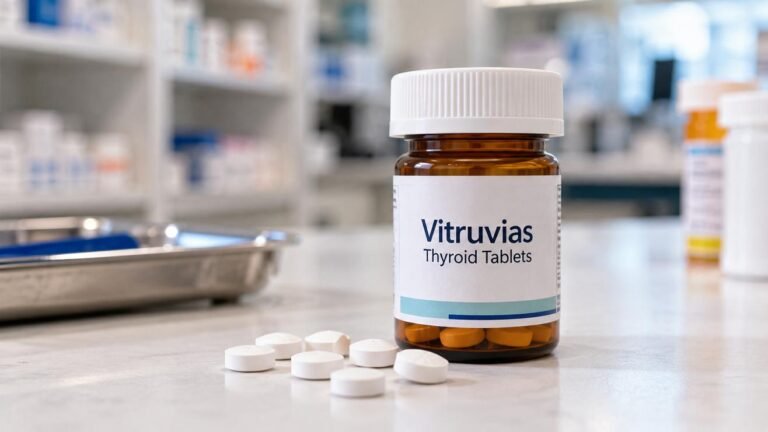
Packaged kratom purchased from a retail store was found during both investigations, according to Lafayette County Metro Narcotics. But investigators have stressed a critical distinction: They have not determined that kratom — or any other substance — caused or contributed to either death.
Toxicology reports were still unavailable Thursday, and the causes of death remained under investigation.
Emergency response at Stewart Hall
The first publicly reported emergency unfolded Monday afternoon at Stewart Hall.
A Lafayette County dispatch recording obtained by Action News 5 indicated that first responders were sent to the residence hall shortly after 1:30 p.m. for a reported possible overdose. The person was reported unresponsive, and CPR was underway, according to the station.
A dispatch description of a possible overdose reflects what emergency personnel were told at the time; it is not a determination of the student’s cause of death.
Coleman later confirmed that the 18-year-old student died at the residence hall. The 20-year-old student died at an off-campus house.
Authorities have not publicly identified a confirmed sequence of events connecting the two deaths.
Kratom found in both investigations
The discovery of packaged kratom in both cases has become a focus of public attention, but law enforcement has repeatedly urged caution about interpreting that evidence.
Lafayette County Metro Narcotics said Tuesday that it was conducting two separate death investigations and had no confirmed evidence that the deaths were connected. The agency also said there was no confirmation that kratom or another substance contributed to either death.
The agency nevertheless advised people, as a precaution, to avoid kratom and medications or substances that were not prescribed or obtained from a trusted, regulated source.
Kratom comes from Mitragyna speciosa, a tree native to Southeast Asia. Its compounds can interact with opioid receptors in the brain.
The Food and Drug Administration says there are no FDA-approved prescription or over-the-counter drugs containing kratom or its known alkaloids legally marketed in the United States. The agency warns consumers about risks associated with kratom, including seizures, liver toxicity and substance use disorder.
FDA information also shows why investigators cannot infer a cause of death simply from the presence of a kratom product. The agency says deaths have been associated with kratom use in rare cases, but other drugs were usually involved and kratom’s contribution was unclear.
That uncertainty is particularly important in the Ole Miss cases because toxicology testing has not established what substances, if any, were present in either student’s system or whether any substance played a role in the deaths.
Kratom regulation also varies by jurisdiction. University of Mississippi researchers reported in 2024 that more than 30 Mississippi counties and cities had restricted or banned the product.
State agencies join the investigation
Mississippi state agencies are now assisting local authorities.
Gov. Tate Reeves said Wednesday that the Mississippi Department of Public Safety and Mississippi Bureau of Narcotics were working with local law enforcement and helping expedite toxicology reports.
The involvement of state agencies does not change the official finding at this stage: the causes of death remain undetermined.
Coleman said toxicology testing would be conducted, but results could take several weeks.
Until those results and other investigative findings are available, officials have not attributed the deaths to kratom, an illegal drug, an overdose, or any other specific cause.
Ole Miss pushes back against rumors
The limited amount of confirmed information has contributed to speculation online.
University officials have specifically sought to correct claims that additional students had died.
Shawnboda Mead, the University of Mississippi’s vice chancellor for student affairs, said the Lafayette County Coroner’s Office had confirmed two student deaths and University Police were not aware of additional student deaths. She also urged the campus community to avoid relying on unverified information circulating on social media.
The university said its police department was working with state and local authorities to determine the causes of death.
The deaths came two days after Ole Miss hosted LSU in a heavily attended Southeastern Conference football game in Oxford. Ole Miss defeated LSU 32-24 Saturday.
Authorities have not established that the football weekend or events surrounding the game caused or contributed to either student’s death.
Campus community mourns
As investigators work, signs of mourning have appeared across the Ole Miss campus.
Black ribbons were placed outside fraternity and sorority houses, and some Greek organizations postponed or canceled events following the deaths.
The university has directed students who need grief support to campus counseling and student-support resources.
For now, the central questions remain unresolved.
Investigators have not announced what caused either student to die. They have not established that the deaths are connected. And although packaged kratom was recovered during both investigations, they have not determined that it contributed to either death.
Toxicology findings are expected to provide investigators with more information, but Coleman said those results could take weeks.
About The Author